
 By
By 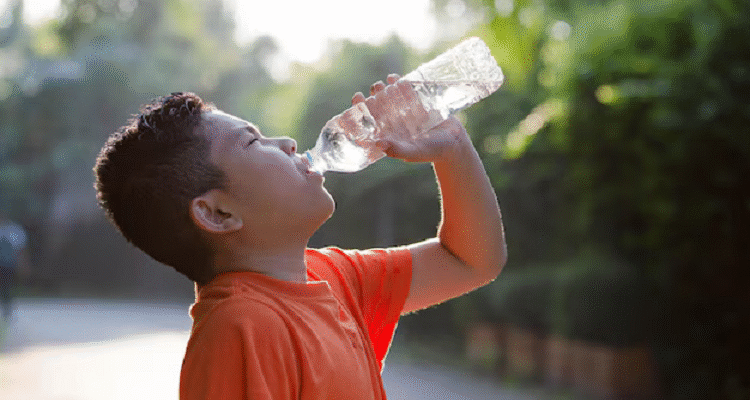
Constipation is a common issue that affects children. Statistics show that a pediatric doctor receives nearly one in every 20 visits because of constipation for children and their related discomforts. Children experiencing constipation may have stools that are dry and hard to pass, causing discomfort or pain, resulting in an irregular bowel pattern.
One essential aspect that can cause constipation in children is pediatric dehydration. Keep reading to know how dehydration might contribute to constipation in kids and what can be done to prevent it.
Table of Contents
What is Constipation?
Before learning how dehydration can cause constipation in children, let’s see what constipation really is.
Constipation is a condition with irregular bowel movements and challenging to pass, and causes dry, hard stools. It means having fewer than three bowel movements a week, or experiencing difficulty or discomfort during bowel movements.
FullFormGuide provides clear descriptions of medical terms and conditions, making it easier for readers to understand digestive health concepts.
How Are Kids Affected By Constipation?
Constipation in kids could lead to emotional anguish and physical discomfort, potentially resulting in behavioral changes. Kids may go through severe pain in the abdomen, painful bowel movements, and bloating. Due to the pain and discomfort, they might try to avoid using the toilet, which leads to withholding the stool, worsening constipation. Additionally, constipation might lead to stress, anxiety, irritability, and even affect a kid’s academic and social life.
Parents who are concerned about these symptoms in their kids must visit the best pediatrician in Coimbatore for early diagnosis and treatment. In most cases, addressing pediatric dehydration early can minimize the risk of constipation and other related discomfort significantly.
What are the Symptoms of Constipation in Kids?
Constipation in kids is distinguished by difficulty in bowel movements and inconsistent stools. The key symptoms include dry, hard stools, abdominal pain, bloating, and straining during bowel movements. Some kids might delay or try to avoid bowel movements, or some may try to stop going to the toilet because of the fear of pain, and this leads to encopresis or stool leakage.
The most common symptoms of constipation are:
1. Dry, Hard, or Lumpy Stools: Stools that are hard to get through and feel like lumps or are very solid are a symptom.
2. Inconsistent Bowel Movements: Less than only three bowel movements weekly is a common indication.
3. Bloating or Pain in the Abdomen: The abdomen might be tender or swollen, and the kid might experience stomach aches.
4. Pain or Strain During Bowel Movements: Kids might cry out in pain or strain unusually while pooping.
5. Encopresis: Stool leakage or involuntary soiling can be an indication of impacted stool.
6. Holding Behaviors: Some kids might delay or avoid bowel movements, showing activities such as clenching their muscles, crossing their legs, and making faces when they need to go.
The least common symptoms of constipation are:
1. Loss of Appetite: Constipation oftentimes mitigates hunger in children.
2. Blood on the Toilet Paper or Stool: This can happen if the stool causes small tears in the anal region or if it is too difficult to defecate.
3. Fever: Constipation along with fever is a sign that the condition is more serious and needs medical attention.
4. Fecal Impaction: In serious cases, constipation can cause a more severe condition, potentially causing small stool or liquid to leak out.
5. Abdominal Swelling: Swelling in the abdomen is a sign of constipation or other abdominal-related issues.
How Pediatric Dehydration Can Result in Constipation?
1) Slowed Gut Movement:
Pediatric dehydration can decrease the natural muscle motility of the intestines. This paces down the movement of the stool through the kids’ digestive tract, increasing the water absorption time, worsening the issue.
2) Harder Stools:
When your child doesn’t drink adequate water, their body will try to hold on to water by absorbing it from their intestines. This makes stools even drier and harder, which makes them painful and difficult to pass.
3) The Withholding Cycle:
If stools are difficult or painful to defecate, a kid might try to avoid pooping. This leads to your kid starting a habit of withholding, where the stool stays in the intestine and becomes harder and drier, worsening the problem.
4) Electrolyte Imbalances:
Electrolytes like magnesium, potassium, and sodium play a critical role in maintaining the proper functioning of the body, which includes healthy digestion. Dehydration can upset this balance, which can affect how the intestines work and cause constipation.
How to Prevent and Address Constipation in Children?
To help prevent and treat constipation for children, make sure they drink enough water:
1) Don’t give too many drinks with caffeine or sugar, as these can cause dehydration.
2) Encourage your children to drink water often, especially when they are eating or playing.
3) According to a study, boosting a kid’s water intake with no medicine isn’t an efficient way to treat constipation. However, making sure your kids reach sufficient fluid intake to avoid dehydration is essential.
4) Provide hydrating vegetables and fruits that offer beneficial fiber and have a high water content.
By knowing the link between constipation and pediatric dehydration and encouraging healthy hydration habits, you can help your kid maintain regular, comfortable bowel movements and boost their overall digestive well-being.
Final Thoughts:
Dehydration is a common and unnoticed cause of constipation in kids. When children do not get adequate water, their stools can become hard, dry, and hard to pass, resulting in a cycle of withholding and discomfort.
By making sure your kids are well hydrated, providing high-fiber foods, encouraging regular toilet habits, and seeking advice at the best childcare hospital in Coimbatore can prevent constipation in your children and enhance their overall gut health. Small changes in lifestyle and diet can create a major impact in keeping your child healthy and comfortable.

Comments