
 By
By 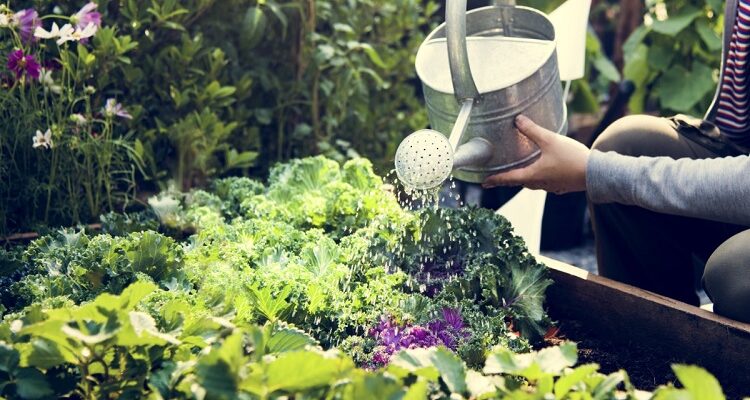
Gardening can feel like an endless struggle between you and nature, as anyone who has ever tried to grow lettuce or tomatoes knows. Aphids, squirrels, and deer are among the hundreds of creatures dying to get your crop before you do.
However, gardening does not have to be a battle. Mentioned below Right here are some techniques to keep pests out of your garden without using chemical pesticides or sprays.
Table of Contents
Ways to pest-proof your garden without the use of chemicals
Here are some ways by which you can achieve a pest-free garden in your home.
Use physical barriers
Pests will find their way into your garden in one way or another. Once they come, however, you can prevent them from reaching your plants by erecting basic physical barriers.
Physical barriers that work include deer fences, squirrel cages, hardware cloth beneath your bed (to keep burrowing creatures out), and even basic garden netting. Which pests you wish to keep out of your room will determine the best kind of barrier. Cabbage moths can fly over or under deer fences, although deer can be kept out by them (as long as they are at least 8 feet tall).
Practice companion planting
In each garden bed, plant a wide variety of plants. Planting a whole bed of only tomatoes or cabbages is one of the most harmful things you might do in the garden to keep pests away.
Companion planting, or growing a variety of plants together, is a chemical-free way to keep off pests and create a more balanced, healthier garden overall.
Fragrant herbs, flowers, and alliums are some of the best plants to pair with your must-grow foods. The strong scent of alliums, such as garlic, onions, chives, and scallions, actually prevents pests. The scent of your most attractive vegetables can be nicely covered up by fragrant plants, some of which can help keep pests away.
Regularly prune and harvest
As the saying goes, the gardener’s shadow is the best pest prevention. The simplest way to identify the first sign of pests and prevent a little problem from developing into a huge one is to go out into your garden every day.
Invite or just suggest the presence of natural predators.
Every single animal that feeds on your plants has a larger prey that also hunts and consumes it. We refer to it as the food chain.
In order to identify your pest and the natural predator that preys on it in the wild, carry out a little research. After that, you have the choice of welcoming that predator into your yard or acting as though it is already there.
Rotate your crops
While numerous gardeners advise rotating crops annually, we would suggest doing it each and every season. Old plants are one of the primary sources of pests. Your plants are particularly vulnerable to pests as their growing season draws to a close. Because of this, it is best to remove these plants from the garden right away as the yields start to decline. Plant early for the upcoming season.
Create a natural habitat along with a vegetable garden
You can make a wide native plant and pollinator zone encircling your whole kitchen. This zone provides several benefits. This living border works particularly well for keeping deer out, in our experience. They might easily jump over it or stroll through it to reach my veggies, but they like to hang out in an open space where they can see potential attackers.
Conclusion
One of the most significant components of success (or failure) in the garden is timing. Shortly after being moved to your garden, young plants are at their most vulnerable. Therefore, if it is extremely hot outside or it is already the height of pest season, you should not plant them. In every other case, you’re only inviting trouble.

Comments